
|
|
 |
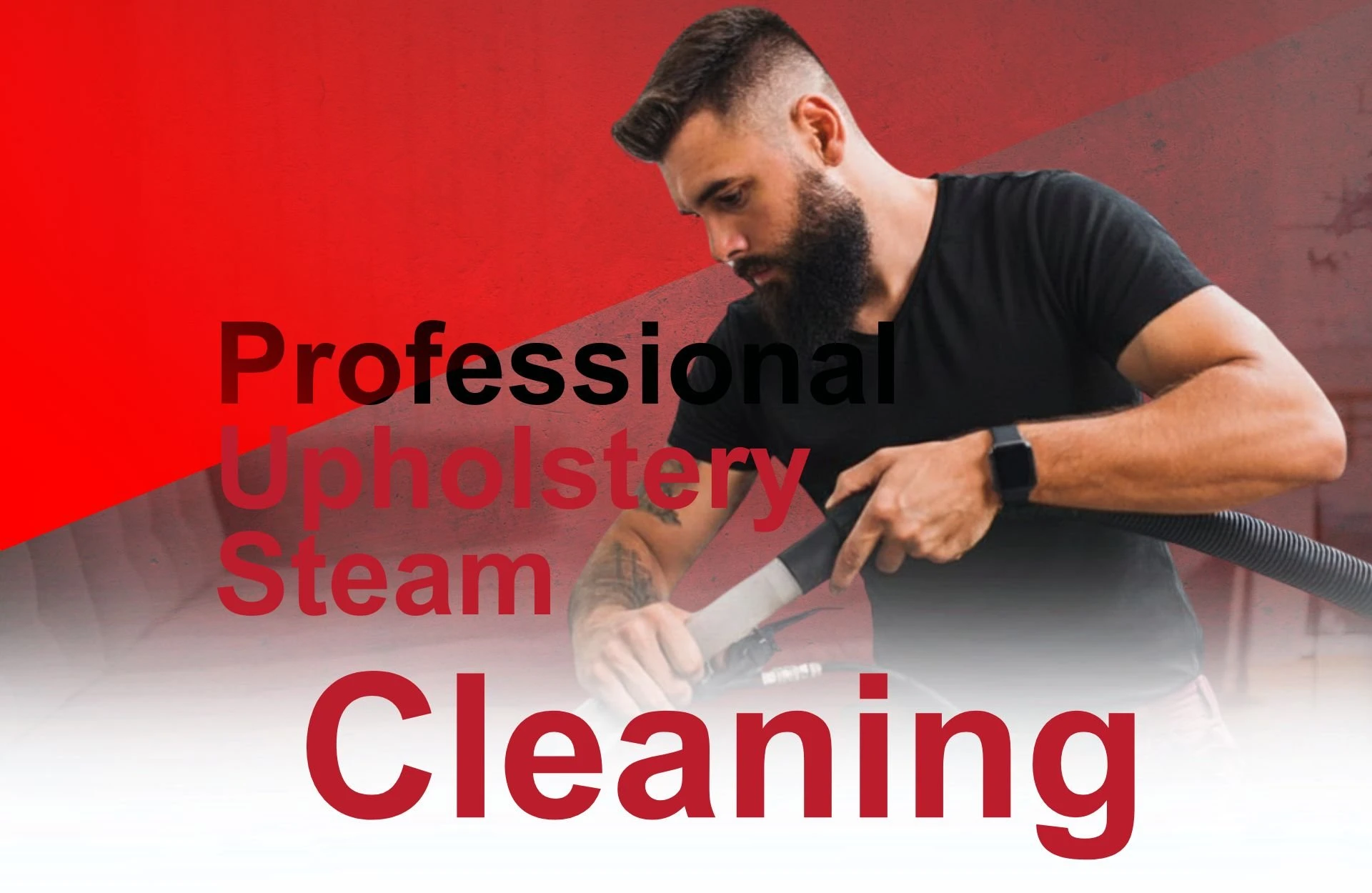
Professional Upholstery Cleaning Manchester | Industrial Steam & Biological Reset
A Total Upholstery
Reset
Manchester’s Industrial Standard
This is a service for Domestic Clients Commercial Clients
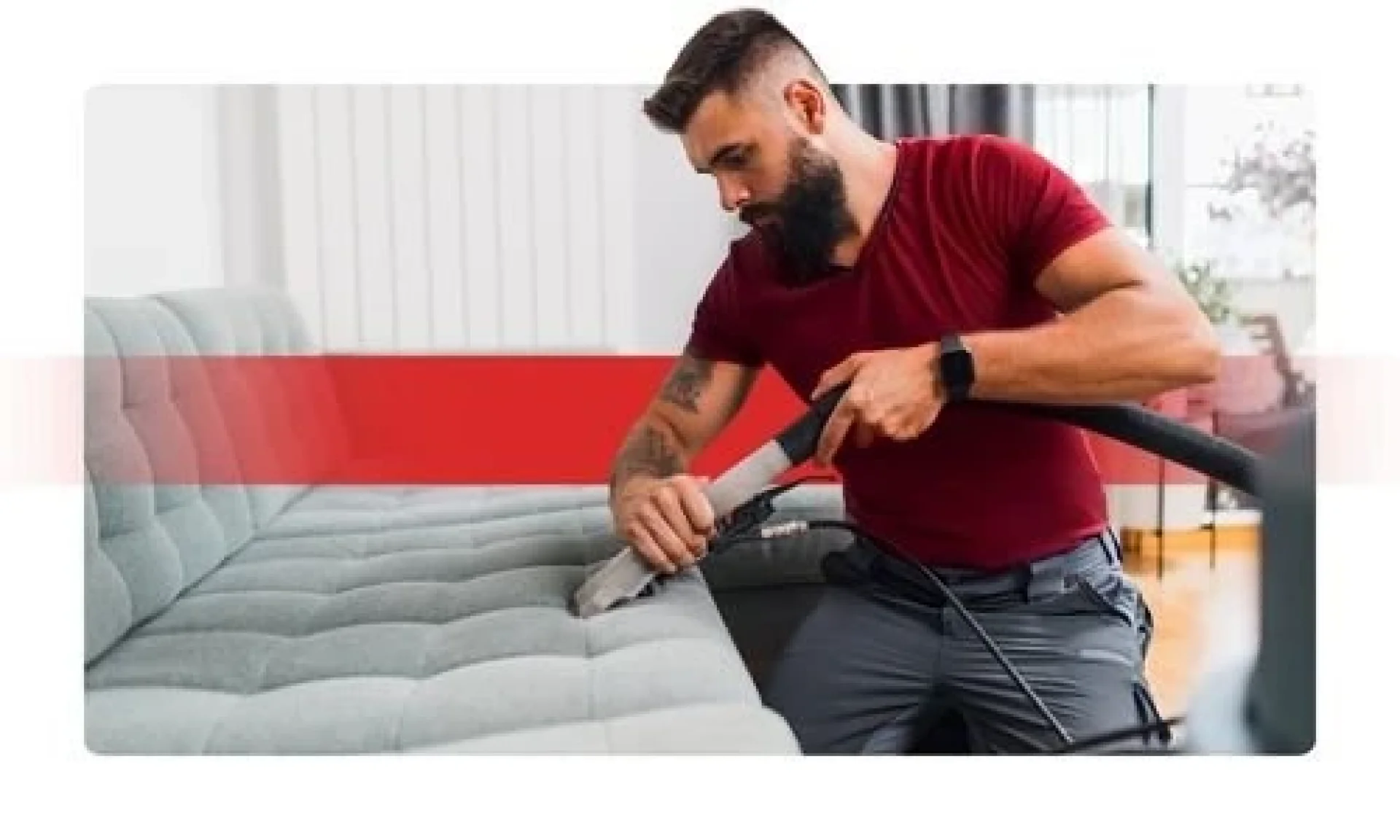
Revitalise your living sanctuary and extend the lifespan of your high-value furniture with Manchester’s premier upholstery restoration specialists. We provide an intensive, industrial-grade “Biological Reset” for sofas, armchairs, and soft furnishings, utilising 120°C dry steam technology and precision-engineered chemistry.
Your Sofa Is Manchester’s Largest Textile Filter
At Pure Cleaning Manchester, we recognise that your upholstery is far more than a functional piece of furniture; it is a significant investment in your home’s comfort, health, and aesthetic appeal. However, in the unique urban environment of Greater Manchester, soft furnishings act as a “magnetic filter.” From the luxury high-rises of Spinningfields and Deansgate to the sprawling period estates of Didsbury and Bowdon, your sofas and chairs are constantly absorbing invisible pollutants.
Urban dust, road traffic soot from the M60, skin cells, perspiration, and microscopic allergens don’t just sit on the surface—they sink deep into the foam padding and bond with the fabric fibres. Standard domestic vacuuming or supermarket-grade foam sprays are fundamentally incapable of reaching these depths. Our Professional Upholstery Cleaning Manchester service is engineered to penetrate these layers, extracting the hidden contaminants that compromise your indoor air quality and degrade your furniture’s structural integrity.
The “Bellows Effect”
Every time you sit down, you create a “bellows effect.” This action forces settled dust and allergens deeper into the internal structure while simultaneously puffing out microscopic particles back into your breathing zone. For residents in high-density areas like Ancoats or Salford Quays, where construction dust and traffic fumes are more prevalent, this buildup happens at an accelerated rate.
Why “Clean” Isn’t Good Enough
A surface-level clean might remove a visible coffee stain or wipe away some pet hair, but it leaves the biological load untouched. Without the application of high-temperature steam and industrial-grade extraction, the deep-seated bacteria continue to thrive on the perspiration and skin cells trapped within the weave.
Our mission at Pure Cleaning Manchester is to move beyond the aesthetic. We aren’t just looking to make your sofa “look new”; we are looking to ensure it is clinically sanitised. By using our industrial-grade restoration process, we break the molecular bonds between the dirt and the fabric, ensuring that your home’s “main filter” is fully purged and functioning as it should. This not only improves the air you breathe but also prevents the premature ageing of the fabric caused by abrasive dust particles grinding against the fibres.
Heat, Pressure & Chemistry
Upholstery cleaning is a highly technical discipline that requires a delicate, expert balance of mechanical power and material science. Unlike synthetic carpets, which are designed for heavy foot traffic, upholstery fabrics are incredibly diverse and often fragile. From organic linens and natural velvets to robust modern synthetics and luxury leathers, every piece of furniture possesses a unique “Material DNA” that dictates the cleaning protocol.
At Pure Cleaning Manchester, we don’t believe in the “one-wash-fits-all” approach used by many budget domestic cleaners. Using the wrong temperature or the incorrect chemical pH on a high-value sofa can lead to permanent damage, including fibre shrinkage, “browning,” or dye migration. Our process is rooted in the four pillars of professional restoration: Heat, Chemical Action, Agitation, and Time.
The Role of 120°C Pressurised Dry Steam
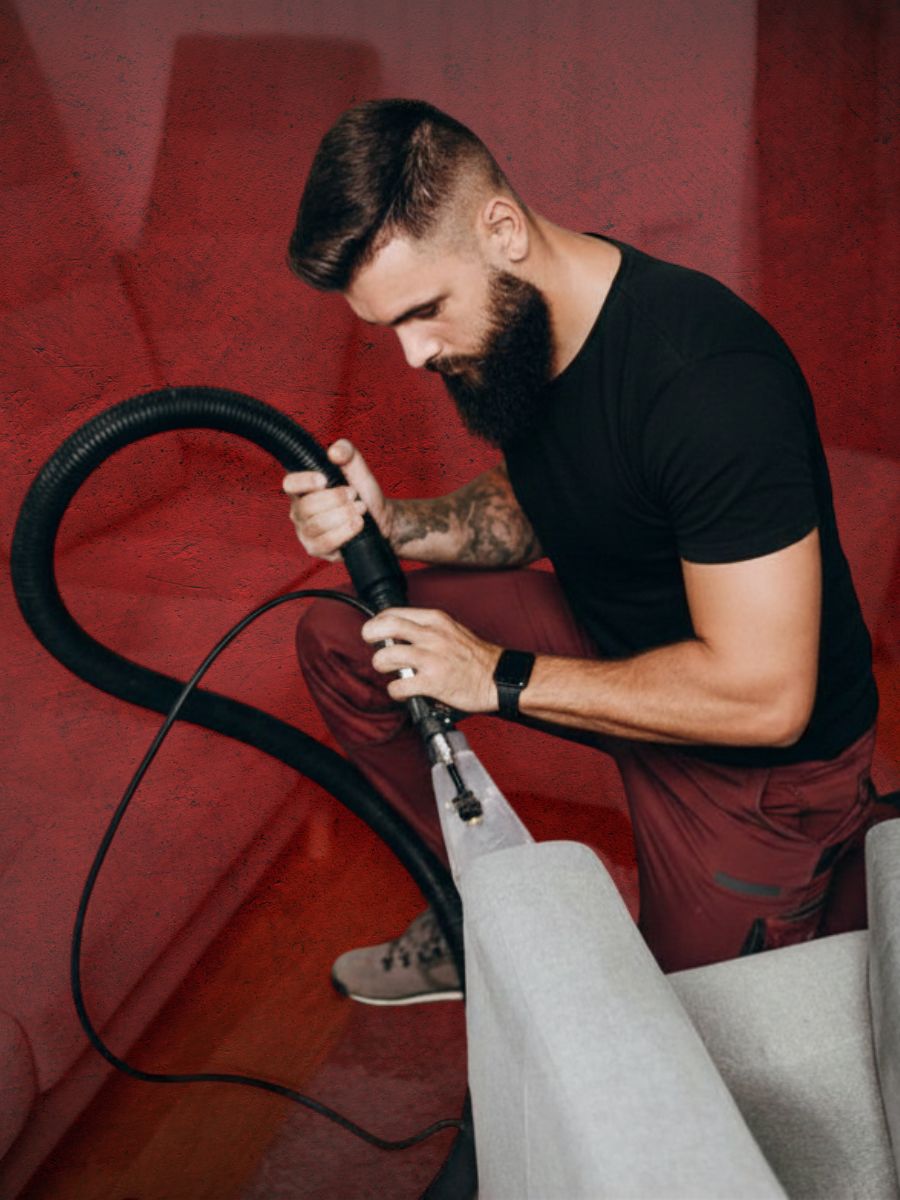
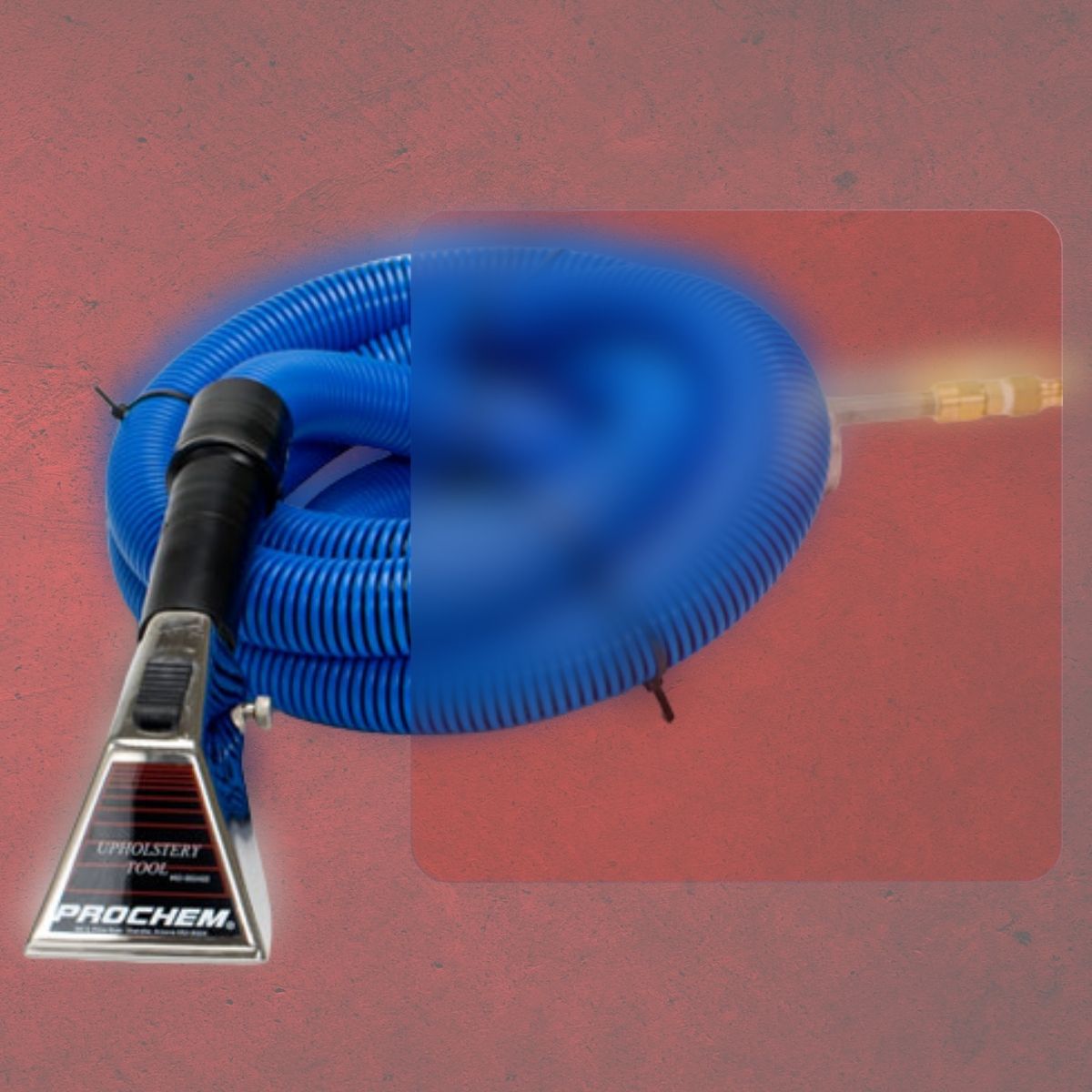
The cornerstone of our industrial standard is the use of high-temperature dry steam. While standard domestic machines barely reach 60°C, our professional systems maintain a constant 120°C at the tool head. This isn’t just about cleaning; it’s about thermal sanitisation. At 120°C, the steam acts as a powerful, natural disinfectant. It instantly denatures the proteins in bacteria, viruses, and fungal spores that thrive in the warm, dark recesses of sofa cushions.
Pathogen Elimination
At 120°C, the steam acts as a powerful, natural disinfectant. It instantly denatures the proteins in bacteria, viruses, and fungal spores that thrive in the warm, dark recesses of sofa cushions.
Dust Mite Eradication
Dust mites are a primary cause of asthma and allergies in urban Manchester homes. High-temperature steam is the only non-toxic method to effectively kill both the mites and their eggs, providing immediate relief for sensitive residents.
Grease Emulsification
Perspiration and body oils are acidic and bond tightly to fabric fibres. The intense heat of our steam breaks these molecular bonds, turning solid greases into a liquid state that can be easily extracted.
Industrial Low-Moisture Extraction: The Anti-Mould Guarantee
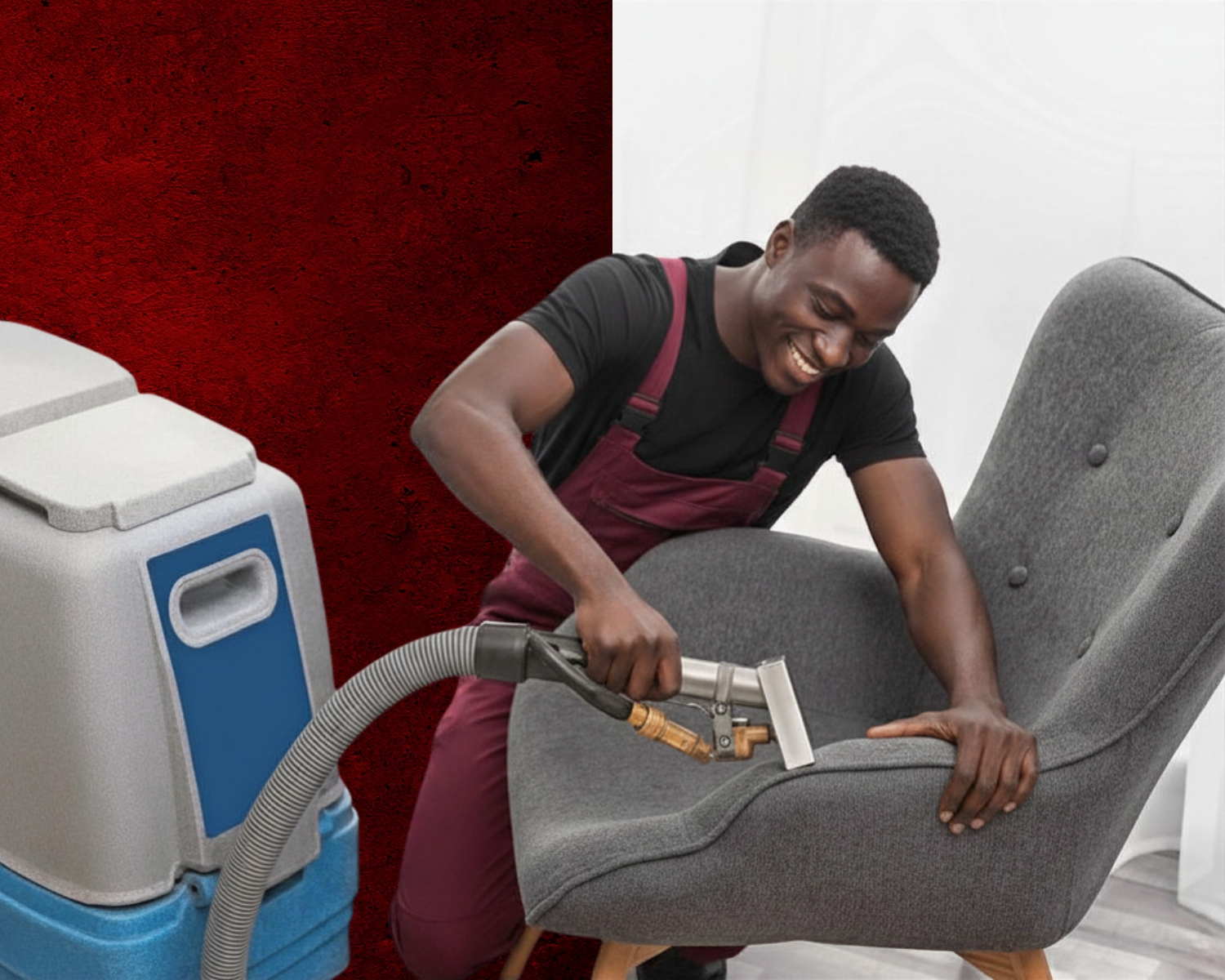
The most common mistake made in amateur upholstery cleaning is “over-wetting.” If a sofa remains damp for more than 24 hours, the internal wadding can develop mould, leading to a permanent musty odour and potential health risks. Our Industrial Hot Water Extraction (HWE) units are equipped with dual-stage, high-airflow vacuum motors. These are specifically tuned for upholstery wands, creating a powerful seal that recovers 95% of the moisture instantly. This technology allows us to offer industry-leading dry times—typically between 3 and 6 hours—even in the humid North West climate.
Bespoke Chemical Engineering
We use a sophisticated array of cleaning agents that are selected based on the specific fibre type of your furniture. Surfactants & Emulsifiers “lift” the dirt from the fibre and hold it in suspension so it can be vacuumed away. Encapsulation Polymers crystallise the dirt particles for delicate fabrics, ensuring no sticky residue is left behind. pH Neutralisers return the fabric to a soft, natural pH state (usually between 5.5 and 7), preventing the “crunchy” feel often left by cheap detergents and ensuring the fabric stays cleaner for longer.
Mastering the “Material DNA”
A high-end sofa isn’t just “fabric”—it’s a complex assembly of specific fibres that require an expert touch. We don’t just guess; we test.
Polyester, Nylon & Acrylic
Most modern “family-friendly” sofas found in high-traffic homes across Stockport and Salford are synthetic. While durable, these fibres are “oleophilic”—meaning they have a natural affinity for oils. Over time, body oils from skin and hair bond to the plastic-based fibres, creating dark “grease patches” on headrests and armrests.
Cotton, Linen & Wool
Premium brands like Loaf, West Elm, or Arlo & Jacob favour natural fibres for their breathability and luxury feel. However, these fibres are highly absorbent and prone to “wicking”—where stains travel from the padding to the surface during drying.
The Velvet & Viscose Specialist
Viscose and certain velvets are notorious in the cleaning industry. If a “generalist” cleaner hits a viscose sofa with too much water, the fibres will lose their shimmer and turn “crunchy” or flat.
Why This Matters for Your Warranty
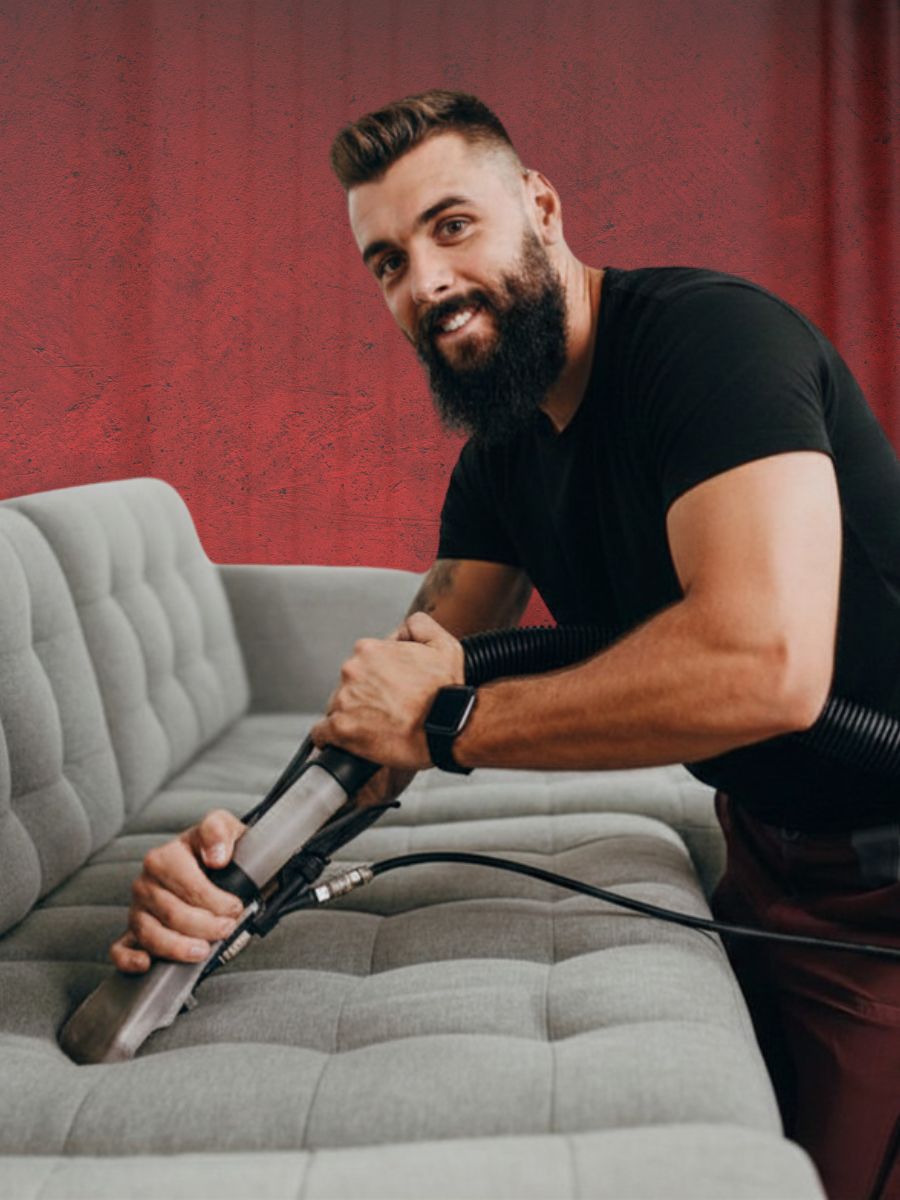
Many high-end furniture manufacturers require professional cleaning by certified technicians to maintain your fabric warranty. By choosing Pure Cleaning Manchester, you aren’t just getting a clean sofa; you are getting a documented, professional service that protects your consumer rights and your home’s value.
In the Manchester furniture market, we see everything from bespoke pieces in Ancoats to heritage wools in Bowdon. Using the wrong method on a specialised fibre is the quickest way to ruin a £5,000 investment. That is why we provide targeted treatments that preserve the texture, colour, and structural integrity of your furniture.
Industrial-Grade
Upholstery Restoration
Watch our technicians deliver a full Biological Reset using 120°C dry steam, bespoke chemistry, and dual-vacuum extraction. This is the difference between a surface wipe and a deep-tissue sanitisation.
Why City Living Demands a Reset
In a city as vibrant and fast-paced as Manchester, your home should be your sanctuary—not a reservoir for urban pollutants. Whether you are living in a sleek apartment in Victoria North or a renovated townhouse in the Northern Quarter, the reality of city living is that your upholstery is under constant attack from environmental contaminants that rural homes simply don’t face.
If you haven’t had your sofa professionally deep-cleaned in the last 12 months, you aren’t just sitting on fabric; you are sitting on a concentrated buildup of Greater Manchester’s industrial and urban output.
Atmospheric Soot, PM2.5 & Biological Contaminants
Atmospheric Soot & PM2.5
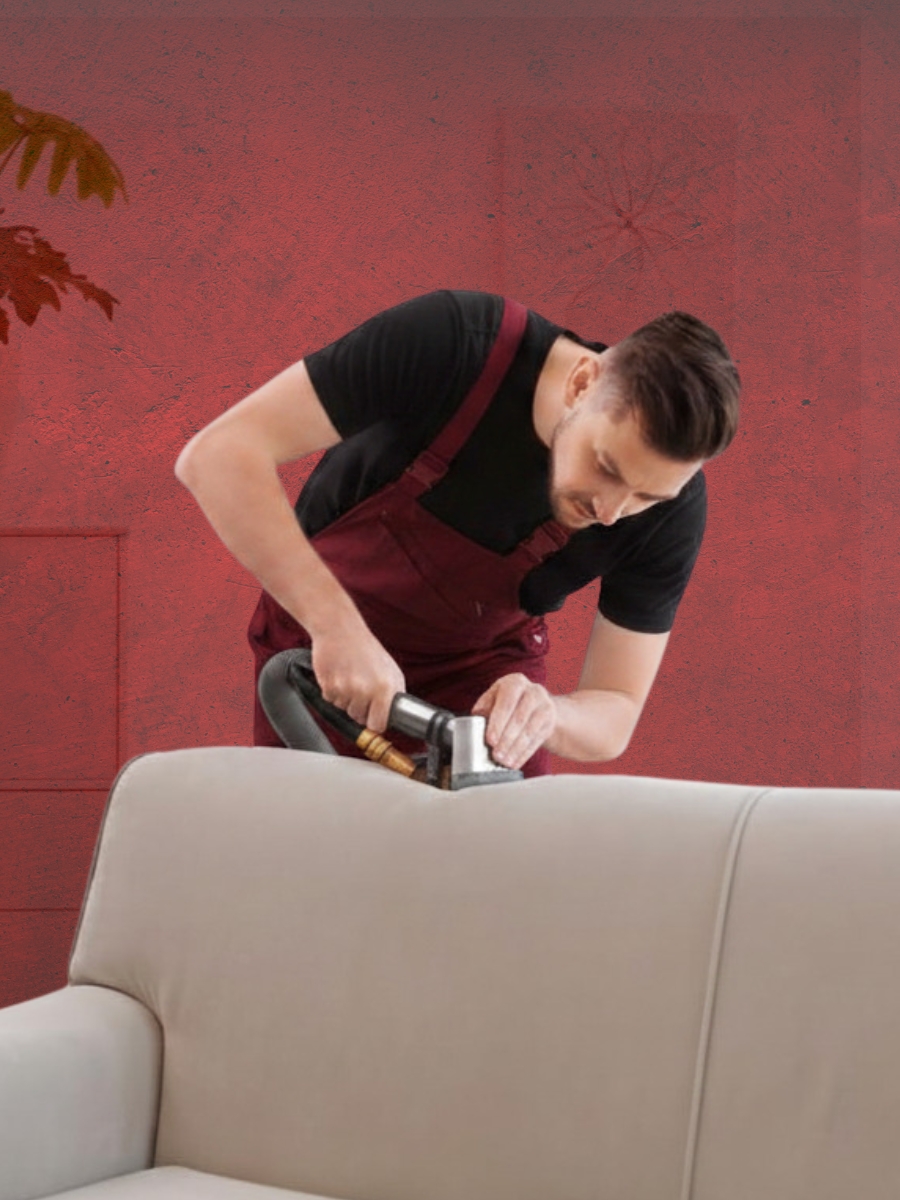
Manchester’s ongoing construction boom and proximity to major traffic arteries create a high concentration of fine particulate matter. These microscopic carbon particles drift through open windows and ventilation systems, settling permanently into upholstery fibres.
Dust Mite Eradication
Dust mites are a primary cause of asthma and allergies in urban Manchester homes. High-temperature steam is the only non-toxic method to effectively kill both the mites and their eggs, providing immediate relief for sensitive residents.
Grease Emulsification
Perspiration and body oils are acidic and bond tightly to fabric fibres. The intense heat of our steam breaks these molecular bonds, turning solid greases into a liquid state that can be easily extracted.
We Come to You—Anywhere in Greater Manchester
From the Deansgate Locks penthouses to the Victorian terraces of Chorlton, we are Manchester’s specialist upholstery cleaning service. We understand the unique challenges of city-centre living.
High-Rise & Apartment Specialists
Our equipment is specifically designed to be compact and portable—it can be transported via elevator. We coordinate directly with building concierges for key collection and parking, ensuring a hassle-free experience for our city-centre clients.
The Direct Employment Model
We refuse to use subcontractors. When you book with Pure Cleaning Manchester, the person entering your home is a full-time, directly employed member of our team. Every technician undergoes a rigorous background check and intensive in-house training on material science.
£2 Million Liability Insurance
High-end upholstery is a significant investment. For your total protection, we carry a comprehensive £2,000,000 public liability insurance policy specifically tailored to cover the cleaning of high-value fabrics and delicate interior materials. You can rest easy knowing your home and your furniture are fully protected.
Transparent Pricing & No-Deposit Booking
We believe in honest service. That’s why we offer fixed-price quotes with no hidden “room fees” or surcharges. We are so confident in our scheduling and our quality that we never ask for an upfront deposit. You pay only when your 5-star service is locked in and scheduled.
Vetted & Trained Technicians
Because our staff are part of the MHCS family, they take personal pride in every “showroom” finish they achieve. You aren’t just another job on an app; you are a valued client.
Total Soft Furnishing Reset
We offer a complete “Soft Furnishing Reset”—upholstered headboards, mattresses, dining chairs, and specialised cleaning for heavy curtains and pelmets without the need to remove them from the rails.
Manchester Service Guide
Our FAQ section isn’t just for information—it’s designed to answer the specific concerns our Manchester clients have every day. From drying times in the North West climate to handling luxury designer fabrics, we’ve got the answers you need to book with total confidence.
How long will it take for my sofa to dry?
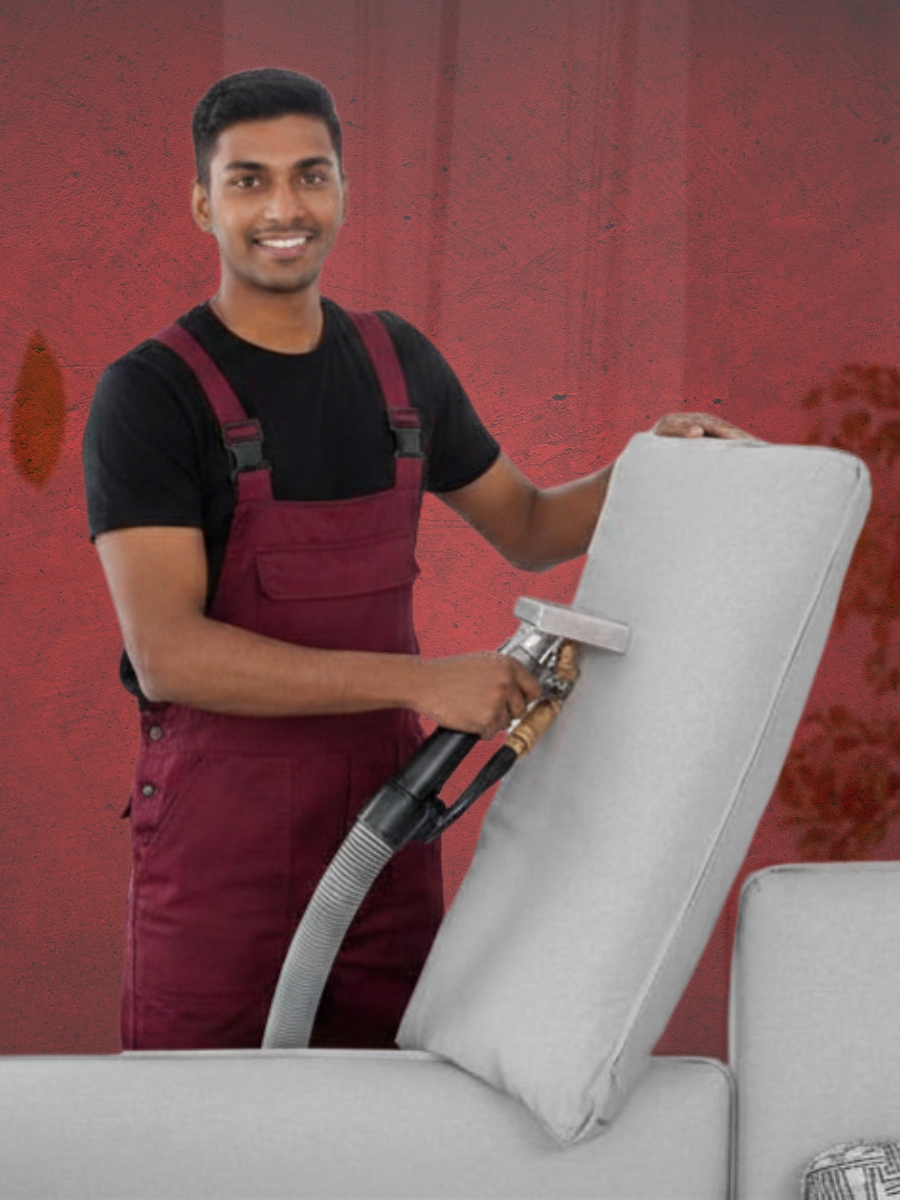
Thanks to our industrial dual-vacuum extraction technology, most fabric sofas are touch-dry in about 3 to 4 hours. However, in the typically humid Manchester climate, we recommend allowing 6 to 8 hours before heavy use. We also provide high-velocity air movers for larger suites to jump-start the evaporation process, ensuring you aren’t left without a place to sit.
Can you remove the smell of “wet dog” or tobacco from my furniture?
Absolutely. We don’t just “mask” odours with cheap perfumes. Our 120°C steam kills the bacteria at the source, and we utilise professional-grade enzymatic deodorisers. These “eat” the organic molecules causing the smell—whether it’s from pets, smoke, or general urban staleness—leaving your furniture truly neutralised and fresh.
Is steam cleaning safe for my “Dry Clean Only” velvet or viscose sofa?
Many labels say “Dry Clean Only” to protect the manufacturer, but our technicians are specialists in Low-Moisture and Solvent Cleaning. We have successfully restored hundreds of viscose and velvet pieces in Spinningfields and Cheshire. We perform a fibre test first; if the fabric is too delicate for steam, we utilise our specialised dry-foam system.
Do you clean headboards, mattresses, and dining chairs?
Yes! We offer a total “Soft Furnishing Reset.” This includes upholstered headboards, mattresses (to remove dust mites and skin cells), and dining chairs. We also provide specialised cleaning for heavy curtains and pelmets without the need to remove them from the rails.
Can you remove blue jean dye transfer from my light-coloured leather sofa?
This is one of our most common call-outs in Manchester. Dye transfer from new denim is notoriously difficult for domestic cleaners, but we use specialised dye-release agents and gentle agitation to lift the pigment without stripping the leather’s protective topcoat.
How often should I have my upholstery professionally cleaned?
For homes in the Manchester city centre or near the M60, we strongly recommend a professional deep clean every 12 to 18 months. This prevents the “sandpaper effect”—where fine urban grit settles in the fibres and grinds them down, leading to premature thinning of the fabric.
What is the difference between a “Splash Clean” and your “Industrial Reset”?
A “splash clean” usually involves a domestic machine that only touches the surface. Our Industrial Reset involves 120°C steam, pH-balanced chemistry, and high-pressure extraction that reaches the base of the fabric. It’s the difference between wiping a surface and deep-tissue sanitisation.
Don’t settle for a tired, dusty, or stained living space.
Let the experts at Pure Cleaning Manchester restore the comfort and vibrancy to your home. With our £2 Million Liability Insurance, Directly Employed Staff, and Industrial-Grade Technology, we are the only choice for those who demand the best for their property.
What Our Customers Are Saying

 0161 388 1724
  office@purecleaningmanchester.co.uk
  91 Princess St, Manchester M1 4HT

Copyright © 2026 PureCleaningManchester.co.uk, All rights reserved. Privacy Policy